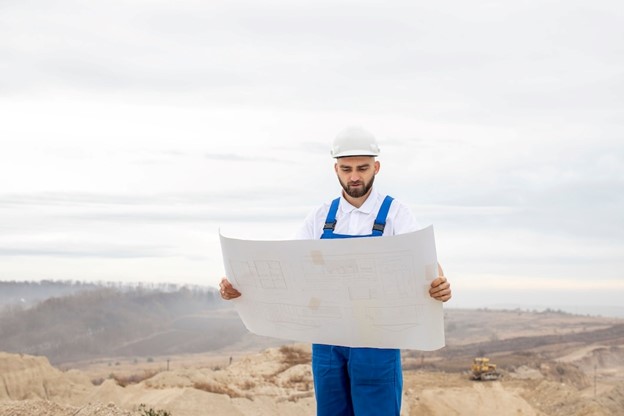
The infrastructure in the UAE is used in one of the most adverse environmental conditions in the world. The weather conditions contribute towards corrosion of metals in bridges, pipelines, industrial plants and commercial buildings due to high humidity, saline air, excessive heat and sand blowing. Corrosion is not a cosmetic problem to the contractors and the project managers; it goes to the very core of the safety, lifecycle cost and performance of their assets. Working with a reliable Industrial Paints Supplier UAE and applying the right protection systems at the right stage can significantly reduce failure risks. The present blog discusses the reasons behind the aggressiveness of corrosion in the area, which is the most affected in the project and how practitioners can reduce the damage in the long term.
Why Corrosion Is Severe in the UAE
A combination of climate and usage patterns drives corrosion in the UAE:
- Electrochemical reactions on exposed metal increase with salinity on the coasts.
- Big moisture is captured on surfaces due to humidity.
- Extreme temperature swings expand and contract substrates.
- Sand abrasion removes protective coatings over time.
These factors work together, weakening steel frameworks, pipelines, fasteners, and mechanical systems faster than in most global markets. Without proper treatment, even high-grade materials lose structural integrity.
High-Risk Infrastructure Areas
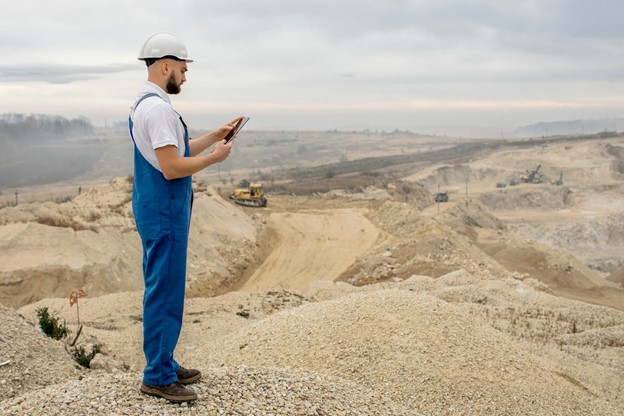
Certain assets face more exposure and require higher protection standards:
Industrial Facilities
Steel is essential in oil and gas plants, warehouses and processing units. Corrosion may interfere with processes and create leaks, safety accidents or noncompliance.
Commercial Buildings
Parking structures, HVAC frames, handrails, and façade elements degrade quickly if untreated, especially in coastal cities like Dubai and Sharjah.
Utilities and Pipelines
Water lines, fire systems, and underground metal components corrode from both internal moisture and external soil conditions.
Transport Infrastructure
Bridges, walkways, and service platforms are constantly exposed to heat and air moisture, demanding long-life coating systems.
Role of Protective Coatings
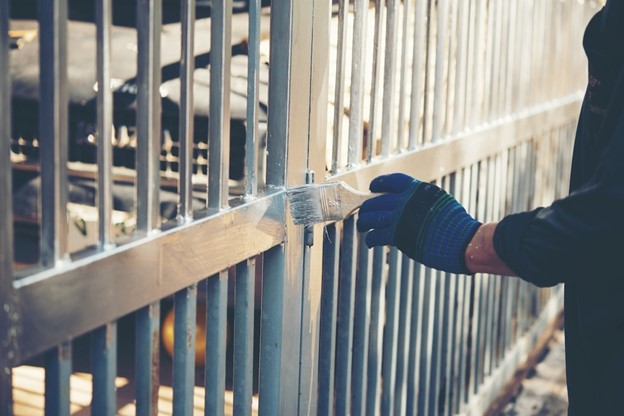
Industrial coatings act as a physical and chemical barrier between metal and the environment. The right system prevents oxidation, resists abrasion, and improves service life.
Effective protection usually includes:
- Surface preparation (blasting or cleaning)
- Primer layer for adhesion
- Intermediate anti-corrosion coat
- UV-resistant topcoat
Choosing the wrong product or skipping preparation stages leads to early failure, even with premium materials.
The professional Industrial Paints Supplier UAE guarantees observance of the project specification, be it an epoxy specification, polyurethane specifications, or zinc-rich primer as well as fire-retardant coating.
Maintenance as a Corrosion Strategy
Protection does not end after installation. Infrastructure assets need inspection, touch-ups, and periodic recoating.
A qualified Facility Maintenance Company plays a vital role in:
- Identifying early corrosion signs
- Repairing coating breaches
- Replacing rusted fasteners and joints
- Preventing moisture buildup in enclosed systems
Scheduled maintenance removes emergency maintenance and increases the life of the assets by years. With large facilities, even the slightest damage to the coating can quickly spread out when overlooked.
Practical Prevention Measures
Project teams can reduce corrosion risks by:
- Specifying marine-grade or industrial-grade coatings
- Imposing standards of surface preparation on the site.
- Installation of corrosion-resistant fittings and fasteners.
- Planning drainage ways to eliminate filtration.
- Scheduling annual visual inspections
These steps cost less than replacement or structural rehabilitation later.
Industry Impact and Cost Control
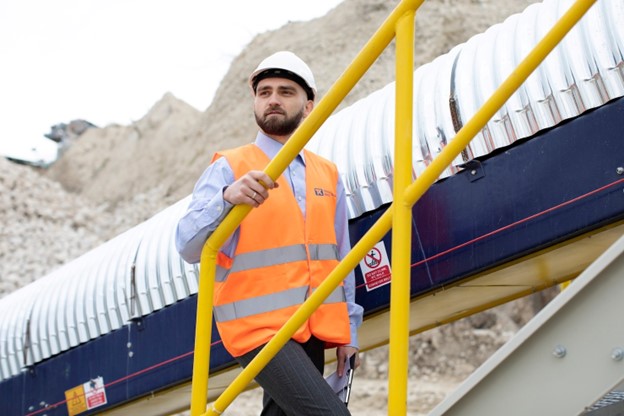
In the UAE, corrosion-related repairs account for a significant share of long-term infrastructure budgets. Delayed protection leads to:
- Production downtime
- Safety hazards
- Regulatory non-compliance
- Premature asset replacement
Preventive strategies are more economical than reactive ones. When supported by the right supplier and maintenance partner, protection systems become a lifecycle investment instead of an operational burden.
Conclusion
Corrosion is not optional to address in UAE projects; it is inevitable unless controlled. Understanding regional exposure, selecting appropriate coatings, and integrating maintenance planning from the start are essential for sustainable infrastructure. Project owners who prioritize prevention protect both capital and safety.
For dependable material sourcing and project-aligned support, Layra delivers solutions that meet industrial standards and regional demands.
FAQs
Q1: Why does corrosion progress faster in the UAE than in other regions?
High humidity, coastal salinity, extreme heat, and sand abrasion accelerate oxidation and coating breakdown.
Q2: What coatings work best for industrial steel in the UAE?
Epoxy primers, zinc-rich systems, and polyurethane topcoats are widely used for long-term protection.
Q3: How often should infrastructure be inspected for corrosion?
Most industrial sites follow annual inspections, with coastal assets checked more frequently.
Q4: Can a Facility Maintenance Company reduce long-term repair costs?
Yes. Early detection and minor repairs prevent structural damage and expensive shutdowns.