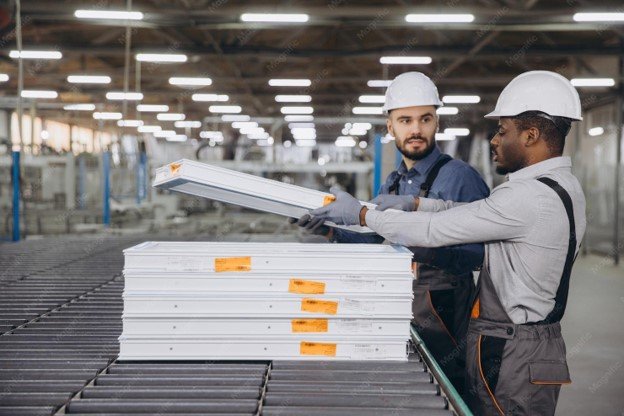

A warehouse in Al Quoz does not look like much from the outside. Rows of shelving, pallets stacked to the ceiling, the smell of fresh paint tins and cardboard. But talk to anyone running a construction site in Dubai and they will tell you this is where projects actually live or die. Not on the architect’s drawing board. Not in the client meeting. Finding a dependable hardware materials supplier is not exciting work but it’s the difference between a project that runs on schedule and one that stalls over something as small as a missing carton of screws.
This blog breaks down what contractors should actually expect from their material supply chain, where things tend to go wrong and how to build a sourcing setup that doesn’t fall apart the moment something runs out.
Why Hardware Sourcing Quietly Makes or Breaks a Project
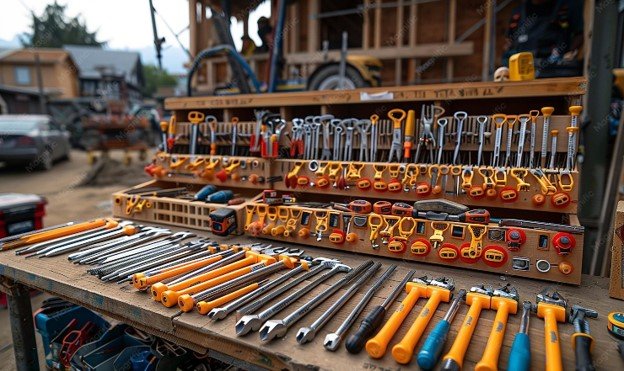
Construction in the UAE moves fast. Everyone knows that. What’s less obvious is how fragile the material side of things can be when a project scales up. A villa renovation might only need a handful of suppliers. A commercial tower or a hotel fit-out? That’s dozens of material categories, hundreds of SKUs and a dozen subcontractors all needing different things on different days.
This is where a dependable construction tools supplier earns its keep. It’s not glamorous work. Nobody photographs a pallet of anchors and bolts for Instagram. But when a project is short on fasteners at 7 am and the concrete pour is scheduled for 9 that supplier relationship is the whole ballgame.
Delays in the UAE construction sector are not rare either. Industry reports have flagged material procurement and logistics coordination as recurring causes of project slippage across the Gulf, especially on multi-phase developments where dozens of trades overlap. That’s not a niche problem. It’s a supply chain problem and it starts with who you are buying from.
What Contractors Actually Look For
Price gets the headlines but it’s rarely the deciding factor once you have been burned once by a late delivery. Here’s what actually separates a good building materials trading company from one that just lists products on a website.
Consistency over cheapness. A supplier who’s slightly pricier but never runs out of stock saves you more money than the cheapest quote that leaves you scrambling for a backup vendor mid-project.
Range under one roof. Juggling five different suppliers for electrical, plumbing, PPE and fasteners adds friction nobody has time for. Fewer touchpoints mean fewer chances for something to fall through the cracks.
Speed of response. Not speed of delivery necessarily, though that matters too but how fast someone actually replies to a WhatsApp message when you need a quote at 6 pm on a Thursday.
Sourcing from a trusted building supplies distributor UAE-wide, rather than a hyper-local shop, also gives contractors more flexibility. Bigger catalogs mean fewer gaps and fewer gaps mean fewer excuses for delay.
The Categories That Trip Projects Up Most

Not all materials carry equal risk. Some categories are forgiving. Electrical components and fasteners tend to cause the most last-minute panic, mostly because they are used in bulk and consumed faster than anyone plans for. A site might order enough drywall screws for a floor, underestimate wastage and suddenly need another thousand units by Wednesday. Multiply that across ten floors and it becomes obvious why bulk availability matters more than brand loyalty in these categories.
PPE and safety gear is another one. Regulatory inspections in the UAE do not wait for backorders. A missing shipment of safety gloves or reflective jackets can literally stop work on a site until it’s resolved which is a cost nobody budget for properly.
HVAC materials and plumbing fittings round out the list. These tend to be project-critical and time-sensitive, especially copper fittings and actuators that don’t have easy substitutes on short notice.
A Quick Real-World Example
A facilities management team managing a hotel refurbishment in Dubai once had to pause interior work for two days because a single batch of wallpaper adhesive was out of stock with their usual supplier. Two days on a hospitality project is not just lost time. It’s lost revenue from rooms that could not be turned over. The fix was not complicated. It was switching to a supplier with broader stock depth across adhesives and finishing materials and building in a small buffer order for exactly this kind of gap. Simple lesson but one a lot of teams learn the hard way.
Building a Supply Chain That Doesn’t Break
There’s no perfect system but a few habits genuinely reduce risk on the ground.
- Keep a shortlist of two suppliers per major category instead of relying on one, even if you only order from the primary vendor 90% of the time
- Ask for catalogs and brochures upfront so procurement teams are not hunting for spec sheets mid-project
- Build small buffer stock for high-consumption items like fasteners, adhesives and PPE rather than ordering exactly to plan
- Request written lead times for anything sourced outside standard stock not verbal estimates
None of this is groundbreaking advice. It’s just discipline and discipline is usually the thing that gets skipped when deadlines get tight.
What This Means for Contractors Choosing a Supplier
The truth is that most suppliers look similar on paper. Wide catalogs, familiar brand names, promises of fast delivery. The difference shows up after the first order, not before it. Does the supplier follow through when something’s out of stock? Do they source it from elsewhere or leave you hanging? Does the sales team actually understand what a facilities manager needs versus what a homeowner needs?
Contractors working on larger developments tend to favor suppliers who have handled scale before, master developers, luxury hotels, multi-site facilities contracts, because that experience shows up in how smoothly things get handled when something unexpected happens.
Conclusion
A steady supply chain is not built on luck. It’s built on picking suppliers who show up consistently, stock deep enough to absorb surprises and communicate clearly when things go sideways. Contractors who treat sourcing as an afterthought usually pay for it later in delays, wasted site hours, and frustrated clients. The ones who take it seriously rarely think about it at all because it just works.
For contractors and developers across the UAE looking for a dependable partner across electrical, plumbing, hardware, PPE and finishing materials, Layra has built its reputation on exactly this kind of steady, no-drama supply support.
FAQs
What does a hardware materials supplier in the UAE typically provide?
Most suppliers cover fasteners, tools, electrical components, plumbing fittings, adhesives, and PPE, often under one catalogue so contractors don’t need multiple vendors for a single project.
How do I know if a construction tools supplier is reliable?
Look at stock consistency, response time on quotes, and whether they’ve handled projects at your scale before. Reviews and repeat clients tell you more than a product list ever will.
Can small contractors order from a building materials trading company, or is it only for large projects?
Most reputable traders handle both wholesale and retail orders, so smaller contractors and even homeowners can typically place orders alongside large-scale developers.
Why do material delays happen so often on UAE construction sites?
It usually comes down to underestimated bulk usage, thin supplier stock, or relying on a single vendor with no backup plan for high-demand categories like fasteners and PPE.