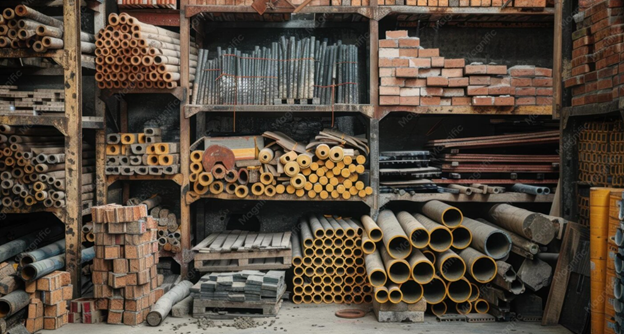

Construction companies in Dubai have been dealing with a problem that refuses to slow down. Shipping costs keep climbing, and the impact is showing up everywhere. Steel prices move suddenly. Electrical materials arrive late. HVAC products cost far more than they did a year ago. Even contractors with solid budgets are being forced to rethink purchasing decisions.
For every Building materials supplier in Dubai, freight expenses have become one of the biggest pricing pressures in the market today. Falling transportation costs impact anything from project schedules to inventory planning. It is transforming the way suppliers, contractors and developers work in the UAE.
Why Freight Costs Are Rising Worldwide
The world of shipping has been unstable these past few years. Fuel prices rose dramatically; containers were in short supply, and port congestion choked international trade routes. Many shipping companies also limited their vessels during volatile times, further adding to freight pricing stress.
Dubai depends heavily on imported construction products. Materials often arrive from China, India, Turkey and several European markets. Once transportation costs rise globally, local construction prices react very quickly.
Industry reports from Freightos and Drewry continue showing fluctuating container rates across major shipping routes. Even when prices temporarily cool down, they rarely return to older levels. Construction businesses are now working in a market where uncertainty feels normal.
How Freight Costs Directly Affect Material Prices
Shipping charges not only affect transportation. The effect spreads across the full procurement cycle.
Importers must handle:
- freight fees
- customs charges
- inland transportation costs
Those expenses eventually reach contractors and buyers.
A shipment of plumbing materials that once arrived at a predictable cost may now carry unexpected surcharges before reaching the warehouse. Small increases across multiple stages quickly become major pricing changes by the time products enter the market.
Some suppliers have also started placing shorter validity periods on quotations because freight prices can change within days. That alone creates budgeting challenges for ongoing construction projects.
Dubai’s Construction Sector Feels the Impact Fast

Dubai remains one of the busiest construction hubs in the Middle East. New commercial towers, villas, hospitality projects and infrastructure developments continue moving ahead despite global market uncertainty. High construction demand combined with expensive shipping creates pressure from both sides.
A Building materials trading company now needs stronger inventory planning than ever before. Delayed shipments can interrupt project schedules very quickly. Contractors working under strict deadlines cannot afford to miss materials during critical phases of construction.
Electrical contractors, especially have reported longer waiting periods for imported components. Certain lighting systems and HVAC accessories now require advance ordering weeks earlier than before.
That shift has changed buying behavior across the market.
Which Materials Are Seeing the Biggest Price Changes?
Not every construction category reacts equally to freight increases. Heavy and imported products usually see the sharpest jumps.
Steel and metal products remain highly sensitive because transportation costs for heavy cargo are naturally higher. Fasteners, structural supports, cable trays and industrial hardware have all experienced pricing pressure.
Imported finishing products are also becoming more expensive. Decorative fittings, premium sanitary items and specialized tiles often depend on overseas suppliers. Once freight rates rise, these products become noticeably costlier for developers and contractors.
Another major category affected is HVAC systems. Ventilation products, ducts and cooling components frequently rely on imported manufacturing supply chains.
Contractors Are Changing Procurement Strategies
Procurement teams are adapting because waiting too long can become expensive. Many contractors now purchase materials earlier during the planning stage instead of relying on last-minute ordering.
Several companies are focusing on:
- bulk purchasing for long-term projects
- maintaining backup stock for critical items
- sourcing locally available alternatives when possible
These strategies help reduce exposure to sudden shipping disruptions.
Some developers are also adjusting timelines to allow additional buffer periods for imported products. That would have seemed unnecessary a few years ago. Today, it has become practical risk management.
Reliable Suppliers Matter More During Market Instability

Freight disruptions create stress throughout construction projects. Delayed shipments affect labor scheduling, budgeting and completion dates. Reliable suppliers help reduce that pressure.
Strong suppliers usually maintain better stock visibility, faster sourcing options and stronger relationships with manufacturers. That flexibility becomes extremely valuable when shipping markets become unstable.
Contractors are no longer looking only at price comparisons. They also want dependable delivery support and realistic lead times. A low quotation means very little if materials fail to arrive on schedule. Market conditions have made long-term supplier relationships more important than ever.
What the Future Could Look Like
Freight analysts believe that volatility is likely to persist in the next few years. Fuel prices continue to be volatile, and trade traffic on the international corridors continues to be hampered. The construction industry is set to continue robustly in Dubai, and therefore, the demand for materials imported to the UAE will continue. Teams involved in procurement who keep track of trends early will not experience significant budget surprises later on. Careful planning is becoming a competitive advantage in construction procurement.
Conclusion
Rising freight costs are reshaping the construction supply market across Dubai. The cost of imported goods is now even higher, and lead times and price volatility are increasing. Contractors and developers are reacting in the following ways: planning, better inventory management, and working with reliable suppliers who can accommodate fast-paced projects.
Reliable supply support matters even more during unstable market conditions. Layra continues helping businesses across Dubai with practical sourcing solutions, responsive service and steady material availability.
FAQs
1. How do freight costs affect a Building materials supplier in Dubai?
Freight increases raise import and transportation expenses, which directly impact the final selling price of construction materials.
2. Why are imported building materials becoming more expensive in Dubai?
Higher fuel costs, shipping delays, container shortages, and customs expenses are increasing overall procurement costs.
3. How can a Building materials trading company reduce supply delays?
Companies can reduce delays through better inventory planning, diversified sourcing, and maintaining ready stock for important products.
4. Which construction materials are most affected by rising freight charges?
Steel products, HVAC systems, electrical accessories, and imported finishing materials often experience the highest price increases.